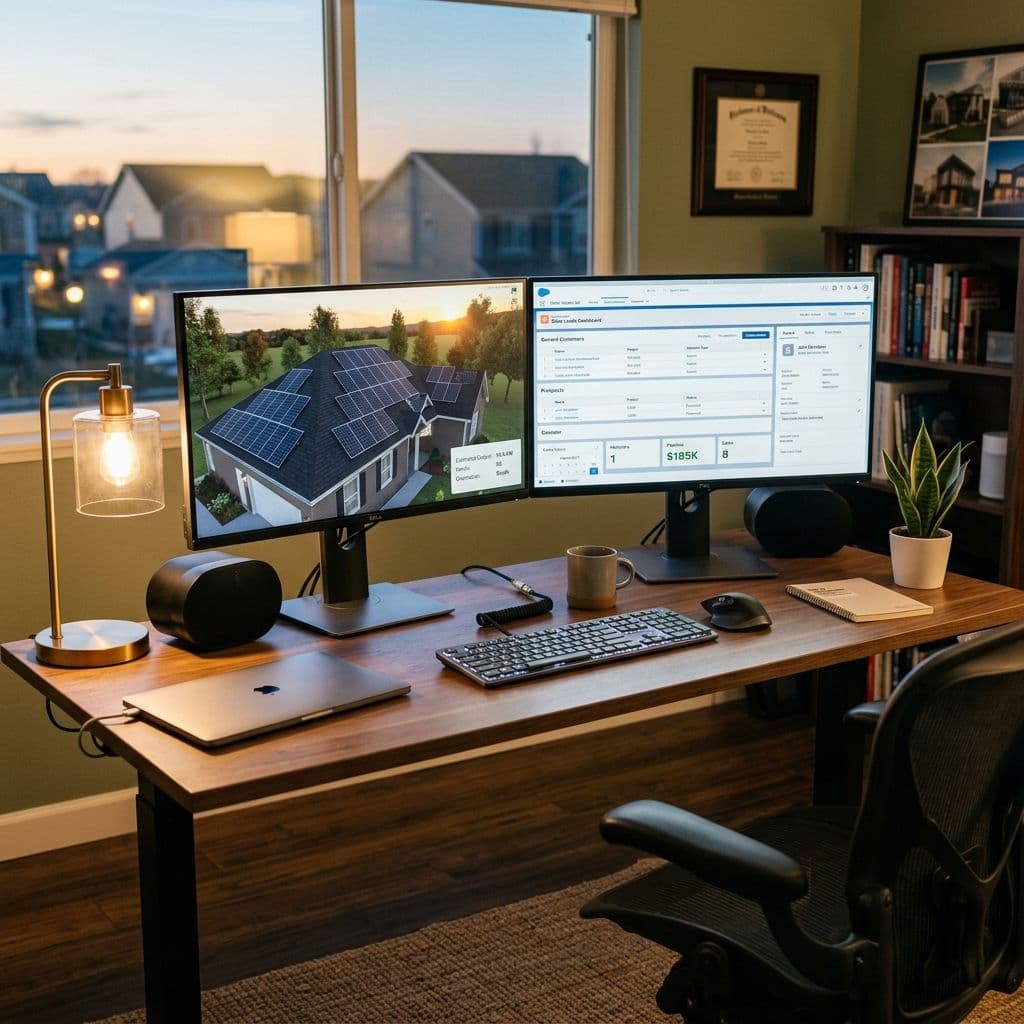
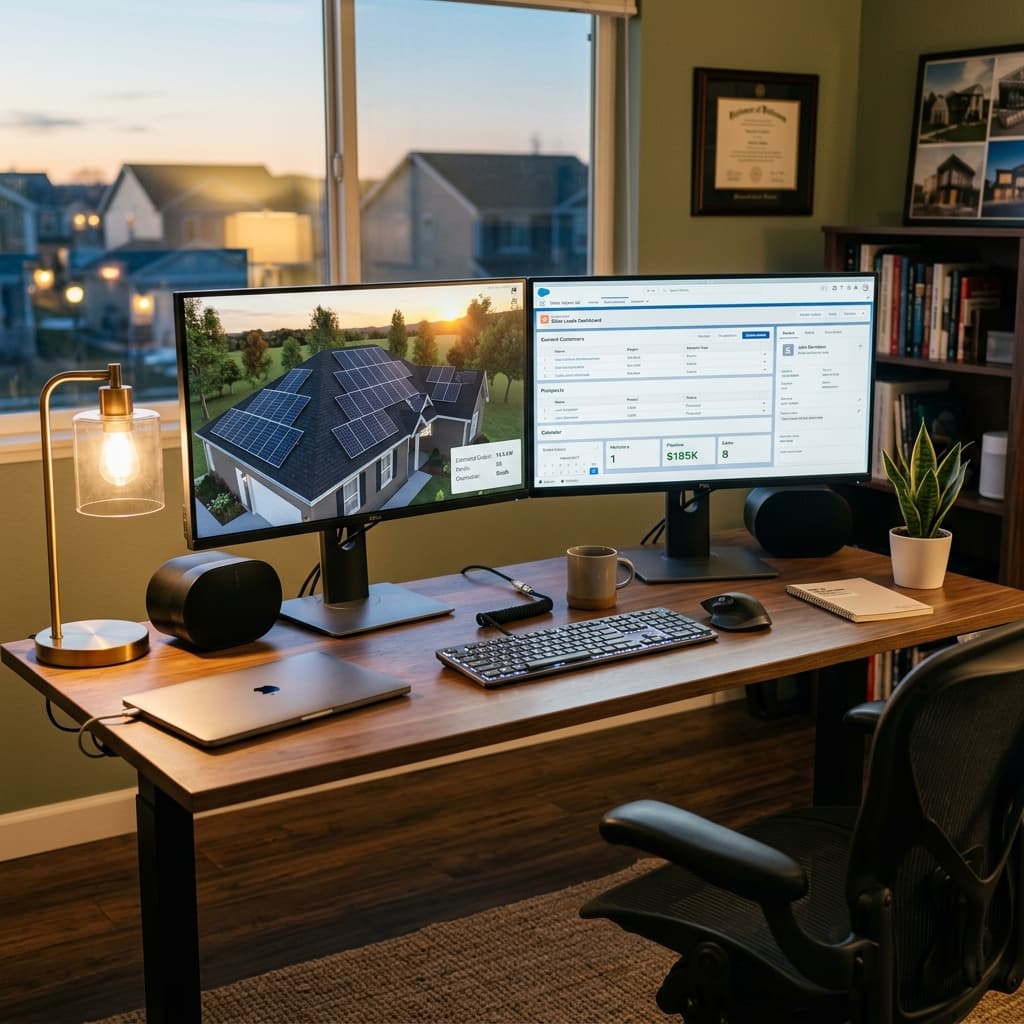
The phrase ‘virtual dealership’ can sound like a staffing decision: move the team online, remove the office, and let reps work from anywhere. That is only the surface. A true virtual dealership is an operating model designed around digital demand, distributed expertise, and consistent execution across markets.
The opportunity is substantial. A digital-first team can respond around the clock, open new territories without duplicating overhead, and match the right specialist to the right homeowner. But geography disappears only when the workflow becomes stronger than geography.
A virtual dealership wins when the homeowner feels local, even when the operation is distributed.
The four systems a virtual dealership must get right
1. Demand capture that earns trust
Online demand is not automatically high intent. The website, offer, form, and follow-up need to work together as one experience. A homeowner should understand what they are asking for, what information is needed, and what happens after they submit. Every extra moment of uncertainty lowers the quality of the conversation that follows.
2. Qualification that creates useful context
Distributed teams cannot afford to pass raw leads from one queue to another. Qualification needs to capture enough context for a rep to be helpful immediately: property basics, utility context, motivation, timeline, and any constraints that affect fit. The goal is not to interrogate the homeowner. It is to respect their time and the rep’s.
3. Routing that reflects expertise
A virtual operation can route by territory, but it can also route by product knowledge, language, appointment availability, or project complexity. That flexibility is a strategic advantage when the CRM has the context to use it. Without a shared system, routing becomes a manual puzzle and the benefit of a distributed team disappears.
4. Handoffs that feel continuous
The homeowner should not have to restart the story every time a setter, closer, designer, or project coordinator enters the process. The system should carry the narrative forward. A strong handoff is invisible to the customer and obvious to the team.
The operating cadence behind consistent remote selling
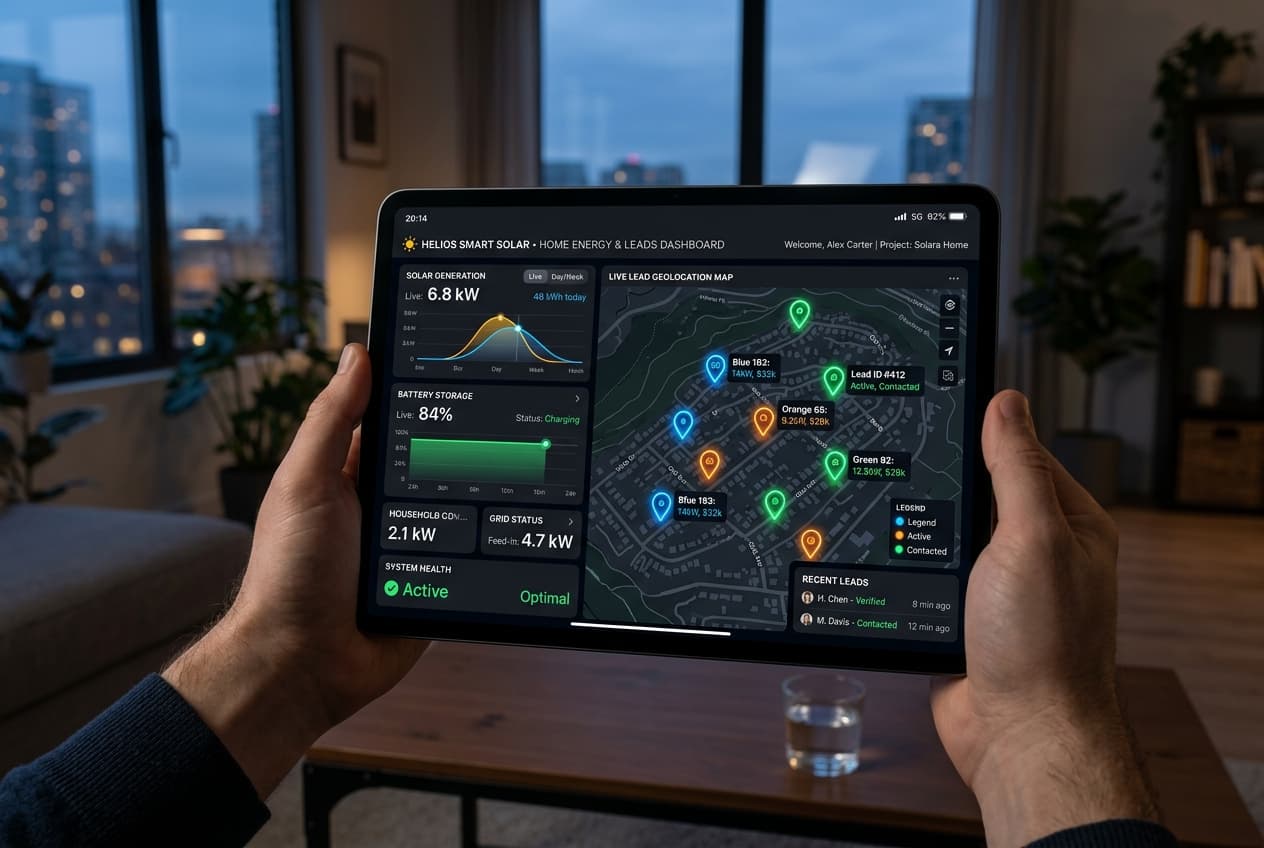
Distributed teams need more than a video meeting and a leaderboard. They need a reliable cadence for reviewing response time, contact quality, appointment show rate, stage aging, and project risk. These metrics create a shared operating language across time zones and markets.
- Daily: Review new demand, unworked leads, appointments at risk, and homeowner follow-ups that need attention.
- Weekly: Compare source quality, rep conversion, stage aging, and cancellations by market—not just total volume.
- Monthly: Decide which markets, offers, workflows, and training investments deserve more capacity.
Where AI fits—and where it should not
AI is especially useful in the repetitive moments that slow a distributed team: immediate acknowledgement, basic qualification, appointment preparation, reminders, and structured summaries. Nova can handle those conversations with consistency while making an appropriate human handoff when the homeowner needs expertise, empathy, or a more nuanced answer.
AI should not become a wall between the homeowner and the business. The best virtual dealerships use it to make the operation feel more responsive and more human, not less. Every automated interaction should make the next human interaction better.
Create local confidence at digital scale
A homeowner in a new market does not need your team to pretend it has a local storefront. They need evidence that you understand their utility, their incentives, their property context, and the path from consultation to installation. Localized content, accurate routing, clear expectations, and credible follow-up build that confidence.
Spark gives a virtual dealership the infrastructure to coordinate those details in one place. Market-specific rules can inform qualification. Website and campaign data can stay attached to the lead. Reps can see the same customer story that marketing promised. Operations can prepare for the project before the handoff becomes urgent.
The playbook in one sentence
Build the digital experience first, then design the people and automation around the experience you want the homeowner to have. That sequence creates a dealership that can expand its reach without multiplying confusion.
The virtual dealership is not a smaller version of a traditional solar office. It is a higher-leverage model—provided every interaction is connected, every handoff is visible, and every team member can act on the same source of truth.
Schedule a Direct Strategy Session with Sean
Book a direct 1-on-1 strategy call with Sean Spark, Founder & CEO, to review your solar dealership's CRM infrastructure, address operations leaks, and unlock custom AI-native setter automations.