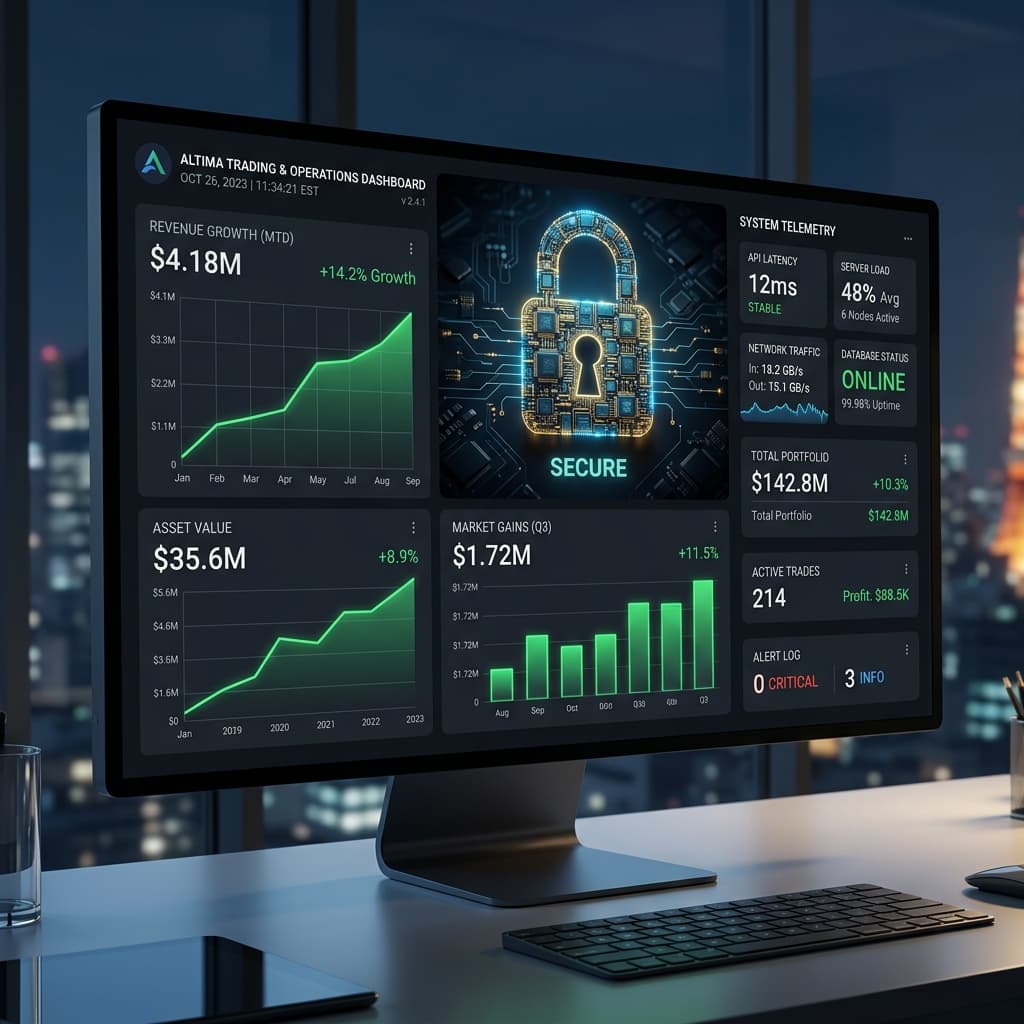
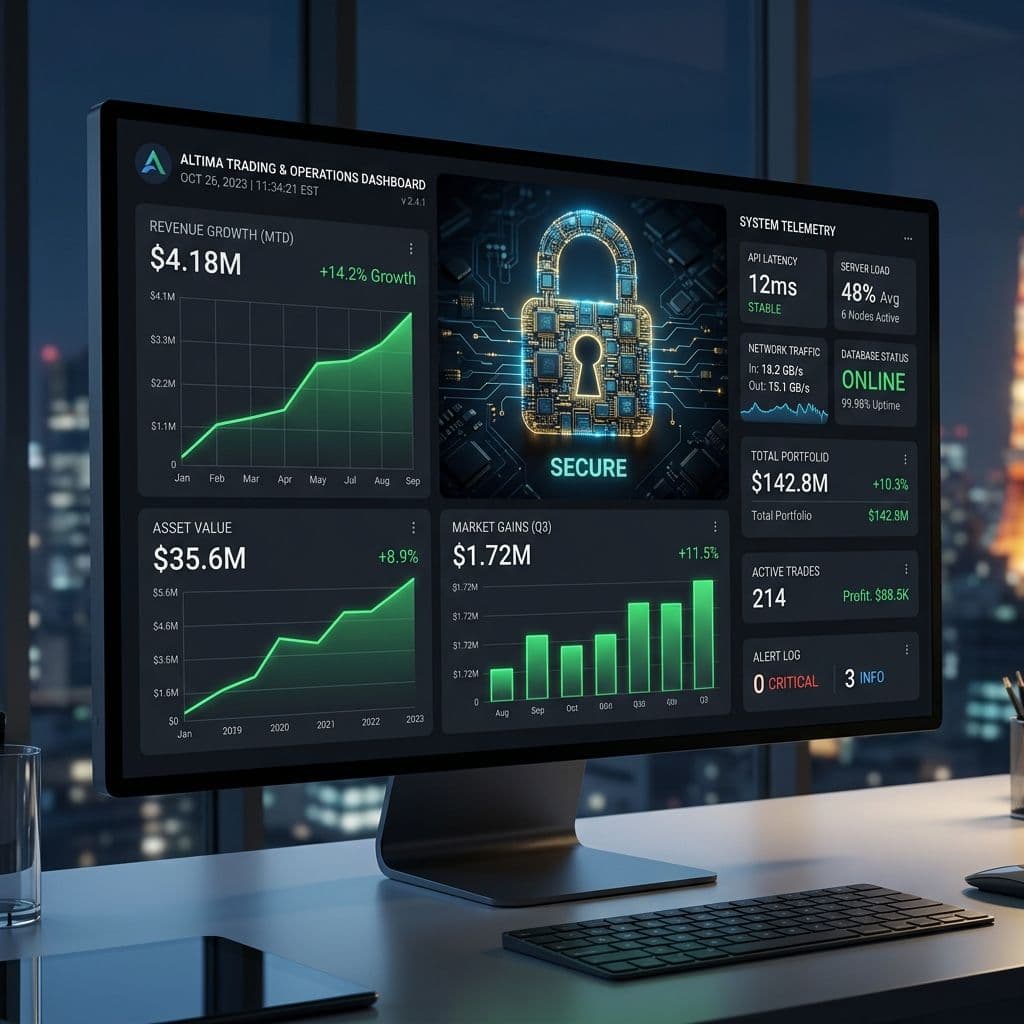
In the residential solar sector, top-line revenue is a vanity metric. You can sign dozens of megawatts of volume a month, but if your backend infrastructure is leaky, your true net margin per watt will tell a drastically different story.
As customer acquisition costs (CAC) rise and financing structures evolve, enterprise solar dealerships are discovering that their biggest competitor isn’t the shop down the street. It is the invisible operational friction inside their own software stack.
When engineering designs stall, when change orders catch homeowners by surprise, and when human appointment setters fail to properly vet roof layouts, a deal’s margin doesn't just shrink—it evaporates.
Protecting your net margin requires moving past the era of generic software workarounds and establishing an unyielding, bespoke digital infrastructure.
1. The Real Cost of "Change Orders": Where Data Latency Eats Profitability
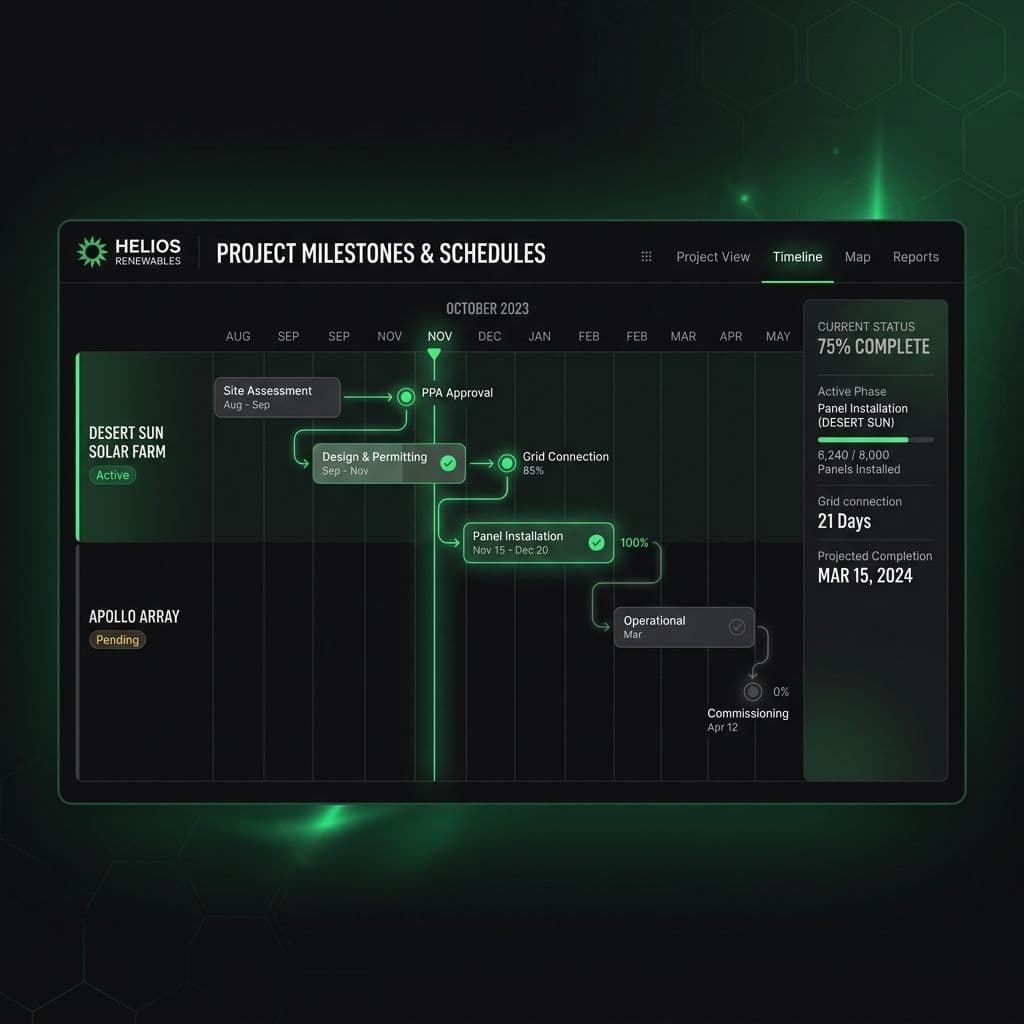
The lifecycle of a residential solar project is notoriously volatile. Between the initial contract signature and the day the installation trucks roll out, a project must pass through a strict sequence of compliance checkpoints:
[Signed Contract] ──> [Site Assessment] ──> [Engineering Design] ──> [Permitting] ──> [PTO]
In a standard dealership running on fragmented software, data moves between these stages through manual updates or delayed, third-party syncing tools. This lag creates a dangerous blind spot. If a field sales rep uses outdated utility rate tables or fails to account for structural shading parameters during the virtual consultation, the initial design sent to engineering will be inaccurate. By the time the operations team discovers the issue and issues a change order, weeks have passed.
Every change order introduces two margin-killing variables:
- The Installer Redline Penalty: EPC and installation partners charge premiums or penalize dealers for delayed timelines and structural re-designs.
- The Homeowner Drop-off: When a project stalls in engineering limbo, homeowner anxiety spikes. A delay of even five days during the permitting phase can increase your post-signature cancellation rate by up to 15%.
2. The Operational Leak: How Broken Telemetry Distorts Commission Structures
When sales data and operational data live in two different software environments, tracking the true profitability of a deal becomes nearly impossible.
Sales managers look at gross contract values to calculate commission structures. Meanwhile, operations managers look at actual equipment costs, municipal permitting fees, and unexpected main panel upgrade (MPU) costs.
Without a single, native application architecture to unify these metrics, dealerships suffer from margin distortion:
The Margin Distortion Trap: Paying out top-tier commissions on a deal that ultimately required an expensive structural upgrade or a lower-margin equipment swap, forcing the dealership to absorb the financial loss.
An enterprise operation cannot scale safely when its financial telemetry is retrospective. You cannot wait until final Permission to Operate (PTO) to find out whether a deal was actually profitable.
3. The Solution: Bespoke Architecture as a Margin Shield
To seal these operational leaks, high-volume solar enterprises are moving away from multi-tenant SaaS platforms and deploying Spark CRM—a completely isolated, enterprise-grade software engine custom-tailored to the dealer's precise operational blueprint.
Pre-Vetting via Conversational Intelligence
Margin protection begins before a sales rep ever opens a digital design tool. Spark CRM integrates a native, conversational voice layer directly into your dedicated data environment.
The moment an online lead is captured, our automated voice intelligence initiates an outbound call within seconds. This engine handles the high-friction work of vetting the homeowner on local utility tiers, structural roof shading, and credit thresholds.
By filtering out un-qualifiable properties before they reach your closers, your sales team spends 100% of their energy on high-margin, clean opportunities.
Unbroken Sales-to-Ops Synchronization
Because Spark CRM operates as a unified, bespoke core engine, there are no third-party plugins or external automations to break down.
The exact millisecond a contract is executed, the record changes state natively inside your single-tenant database layer:
- Instant Engineering Triggers: Project dimensions and property parameters are routed instantly to your design and permitting teams without webhook delays.
- Live Margin Tracking: The system calculates real-time dealer fees, installer redlines, and equipment costs instantly, giving executive leadership an un-gameable view of net margins per watt on a live dashboard.
- Automated Milestone Retention: To combat buyer's remorse, the system keeps the homeowner continuously warm with automated, proactive text and email updates as the project clears local municipal milestones.
4. The Structural Reality: Expense vs. Infrastructure
Software Asset Model
• Mass-Market CRM: Perpetual monthly seat tax (Operational Expense)
• Bespoke Spark CRM: Dedicated, company-owned digital engine (Corporate Asset)
Data Synchronization
• Mass-Market CRM: Delayed multi-platform webhooks (Prone to drops)
• Bespoke Spark CRM: Instantaneous, native database state changes
Pipeline Visibility
• Mass-Market CRM: Fractured across sales tools and operational spreadsheets
• Bespoke Spark CRM: Unified, real-time tracking from click to final PTO
Speed-to-Outbound
• Mass-Market CRM: Manual dialing or delayed multi-app routing
• Bespoke Spark CRM: Automated conversational outreach within 3 seconds
Trying to protect your solar dealership's margins by layering more software plugins onto a generic CRM is like trying to fix a structural foundation leak with a coat of paint. Spark CRM replaces the fragmentation with an unyielding, dedicated digital engine designed to protect your pipeline, eliminate unnecessary human setter overhead, and lock down your margins per watt from the first click to final system activation.
Schedule a Direct Strategy Session with Sean
Book a direct 1-on-1 strategy call with Sean Spark, Founder & CEO, to review your solar dealership's CRM infrastructure, address operations leaks, and unlock custom AI-native setter automations.